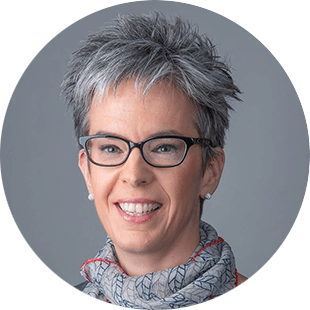
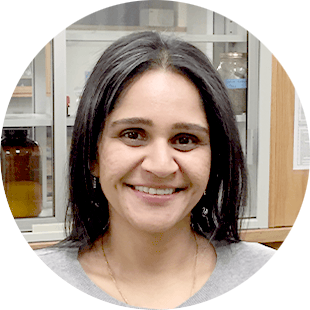
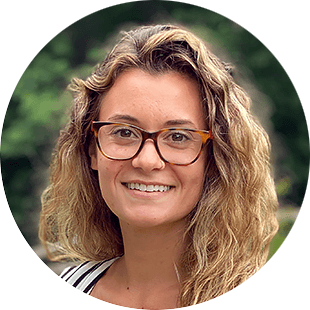
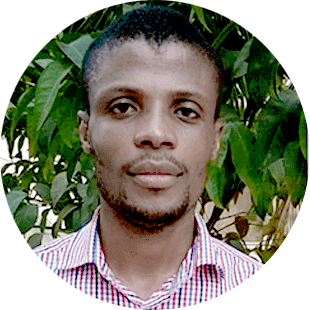
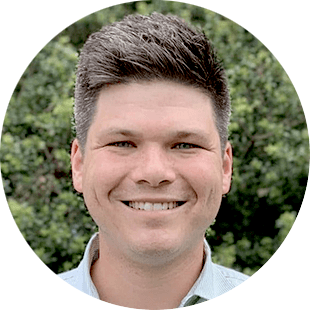
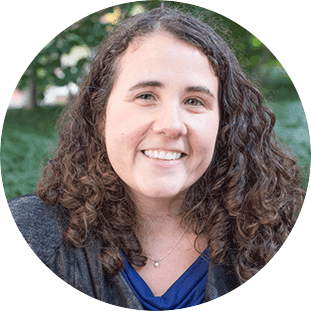
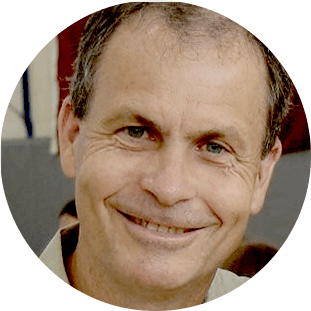
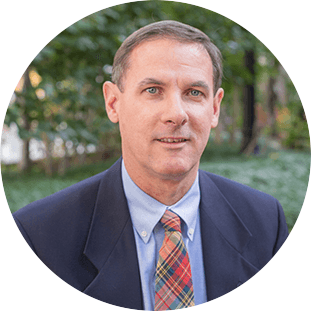
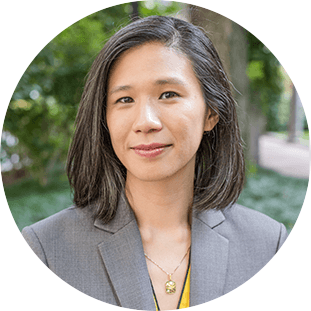
The panel’s other expert, Michelle Niescierenko, MD, spoke of her work with Boston Children’s Hospital, where she serves as Director of the Global Health Program. Her program has spent years building partnerships to ensure that children have improved clinical quality in over 30 countries worldwide.
Dr. Ozonoff and Dr. Niescierenko shared the challenge of navigating the power dynamics of being typically more-resourced partners, placing collaborators on an inherently inequitable footing.
Ultimately, the success of the partnerships relies on establishing trust-based relationships. For Dr. Ozonoff, building trust equates to building infrastructure, and you need to invest the time. There are no shortcuts. Dr. Niescierenko emphasized how coming to the partnerships with trust in the commitment of the partners. “Every partner has their own politics,” said Niescierenko, “and we’re not here to cast judgment whether they’re doing well or they’re not doing well. We just need to know we have the right people at the table.”
Continuing the conversation, the second panel focused on what it means to build capacity for science everywhere. Moderated by Seeding Labs Board member Aravinda Souza, the panel featured global changemakers focused on vaccine and drug development and the future of philanthropy for global development.
Jonathan Spector, MD, has spent his career in pediatrics and public health. He currently works on access to medicines in developing countries as the Head of Global Health Strategy and Access at Novartis Biomedical Research. Speaking of his work in low- and middle-income countries (LMICs), he reflected, “Building capacity also includes the practice of doing science together with partners in LMICs. This maybe is the most important. Everyone learns. We learn, the partners learn, and then there’s a meaningful output that comes out on the other end, of course.”
Krish Ramanathan, PhD, Chief of Staff at the Gates Medical Research Institute, agreed. Citing his work to increase access to vaccines worldwide, Ramanathan recognized the challenges of building capacity for vaccine development in specific locations around the world. “The inherent challenge with R&D in pharma is it’s a risky business, and it’s capital intensive,” he said. But he also highlighted the opportunities for collaboartion, saying, “So we’re trying to see if we can bring in local actors who can then participate in this and find a more efficient way of channeling these investments.”
And in an inspiring call to action, Ina Breuer, Executive Director of the Network of Engaged International Donors, called on the audience to reimagine what the future can look like when traditional sources of funding have been eliminated. Acknowledging the blow that global development took with American foreign aid cuts, Breuer asked difficult questions of the audience: