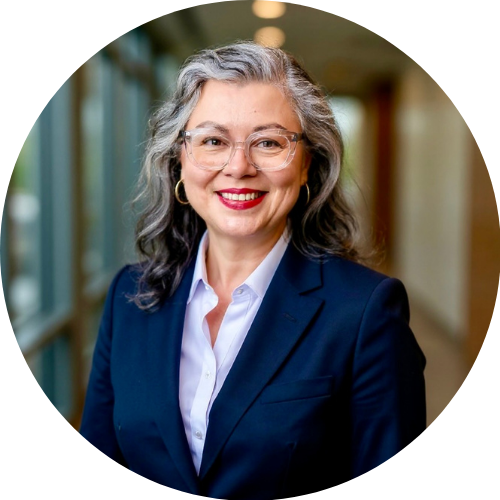
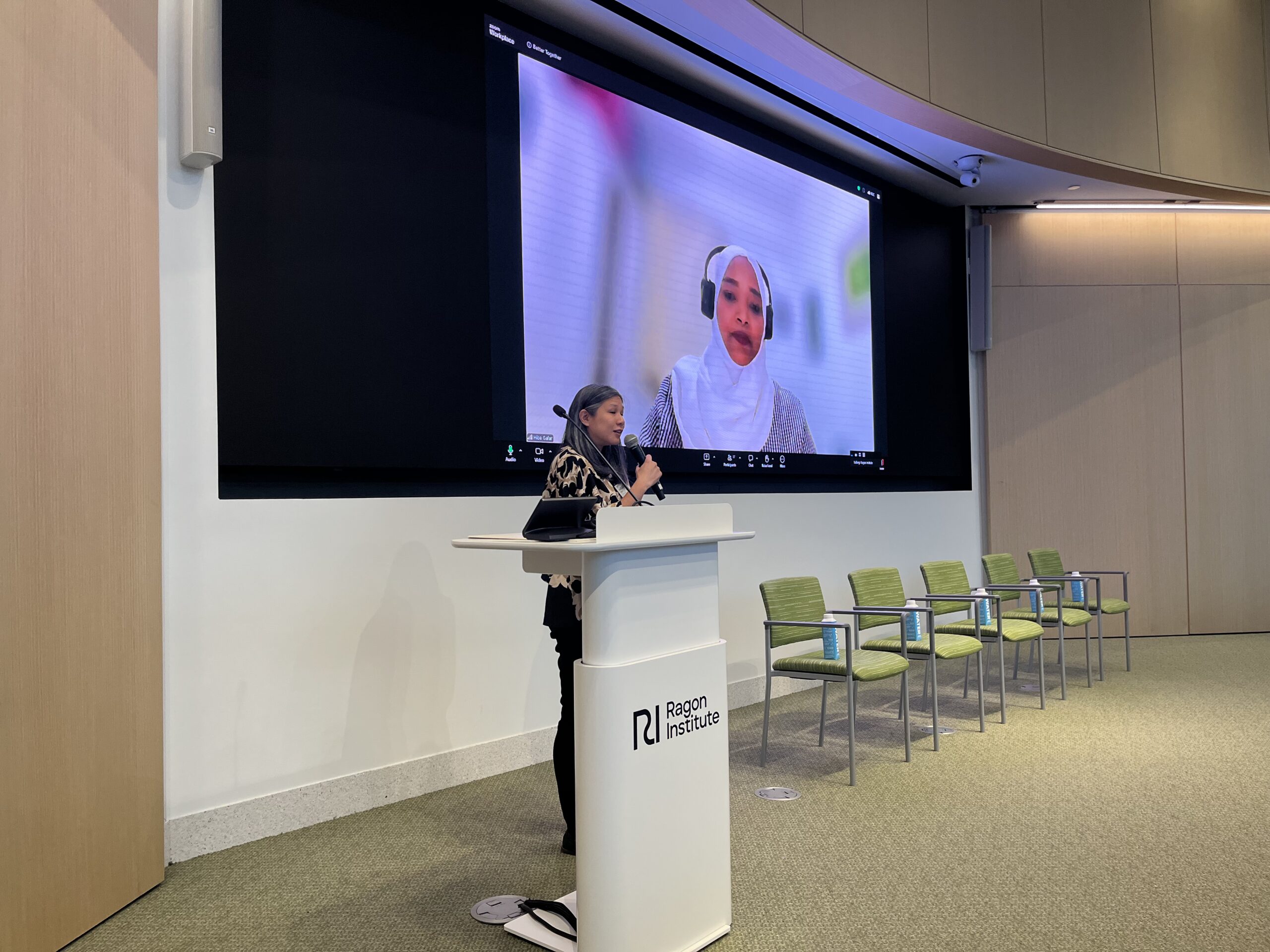
On October 1, Seeding Labs brought together supporters in Cambridge and online for “Better Together,” an evening about what it takes to keep science alive in areas affected by crisis. Seeding Labs CEO Melissa P. Wu, PhD, set the tone for the event early with a challenge to the audience: “Don’t just listen tonight. Learn, and think about where you fit.”
A University Caught In The Middle of a War
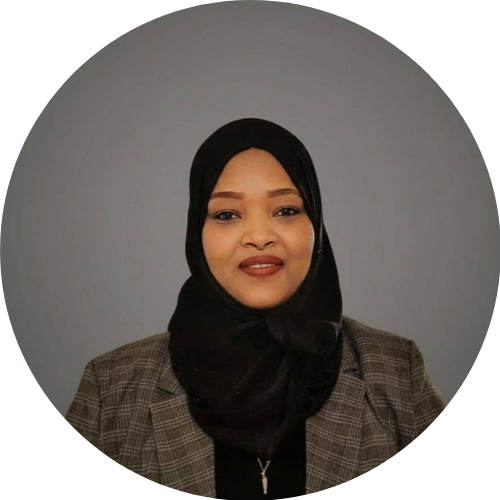
Our keynote speaker, Hiba Gafar, joined from London, where she is completing her PhD as a Schlumberger Foundation Faculty for the Future fellow. She told the story of her own university, the University of Gezira in Sudan, where she studied and still holds her post as a lecturer.
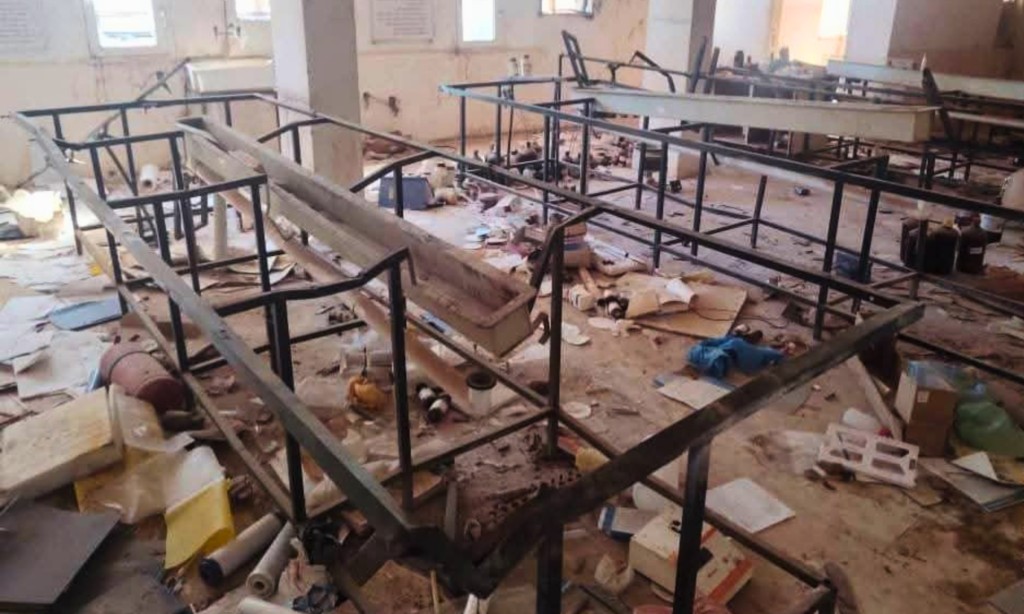
Before the war reached it in 2023, Gezira was one of Sudan’s largest universities, with more than 25,000 students and 1,520 academic staff. The war displaced 93% of surveyed medical students, and many senior researchers left the country. And the devastation was made clear when she showed a photo of Room G110, the pharmacy lab where she once studied and taught, reduced to rubble.
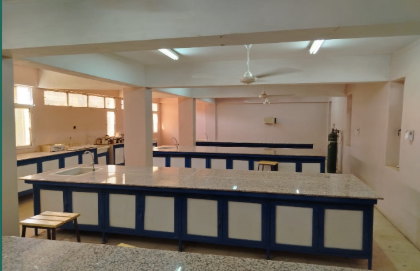
She then revealed that same room today, which has been restored and where students had just returned to the lab the day before. Much work remains: the benches are back, but the instruments are still missing, and many of the scientists who used them haven’t returned. She noted, “While buildings can be rebuilt, replacing experienced scientists may take decades.”
Getting Equipment to Gezira
As part of the follow-up panel to the keynote address, Seeding Labs’ VP of Programs, Christina Viola Srivastava, shared how our Instrumental Access program is helping. Through the program, the department at Gezira selected donated lab equipment to fill a shipping container. They ultimately chose about 111 items, including a rarely donated autoclave, two PCR machines, and microscopes. The shipment is expected to arrive early next year, and Christina said the team can’t wait to share a third photo of Room G110, full of equipment and students.
Partners Across the Ecosystem
The panel showed how many kinds of support it takes to rebuild. Dr. Anmar Homeida, a Gezira medical graduate, described how the Sudanese American Physicians Association shifted to humanitarian work when the war began. Today it runs 13 offices staffed entirely by Sudanese employees and supports 90 primary care facilities and 5 hospitals, including one hospital rebuilt after being hit twice. Maja Carrion from the Drugs for Neglected Diseases initiative shared how a mycetoma clinical trial was delayed three years after the world’s only mycetoma research center, in Khartoum, was destroyed along with decades of irreplaceable samples. The center has since been rebuilt, and the trial is moving forward again. Sarah Sceery of Build Health International brought good news: a partnership that began during the 2014 Ebola response opened Sierra Leone’s Maternal Center of Excellence this year. Home to the country’s first NICU, it has already welcomed more than 2,000 babies.
Equipment, medical care, research, and infrastructure each play a part, and the panel made clear that lasting recovery depends on all of them working together.
Where Do You Fit?
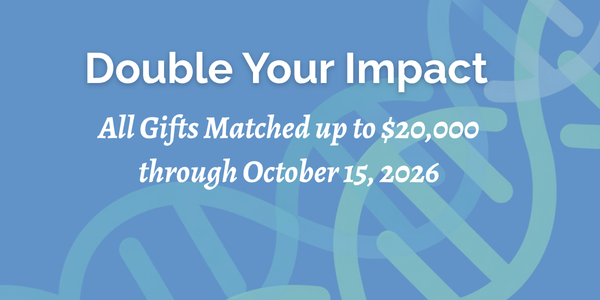
Board chair Chad Jackson, PhD, closed with the word that defined the night: resilience. He announced that the Seeding Labs board will match all donations dollar for dollar, up to $20,000.
As he put it, the aim is to build the capacity for communities to respond to crises, recover, and lead. Whatever your seat in the ecosystem, we hope you’ll take a place in this story.